Origins

How a conversation about exhaustion became a different way of working with nature.

The Beginning

In 2019, Dr. Catherine Wells was working as an environmental consultant, spending most of her time in boardrooms explaining biodiversity assessments to developers. She noticed something: the executives who visited project sites always seemed different afterward. Calmer. More thoughtful in meetings.

It wasn't the sites themselves—often they were construction zones. It was the twenty-minute walk through adjacent woodland to reach them.

That observation became a question: What if the thing people needed wasn't more intervention, but less interference with processes that work naturally?
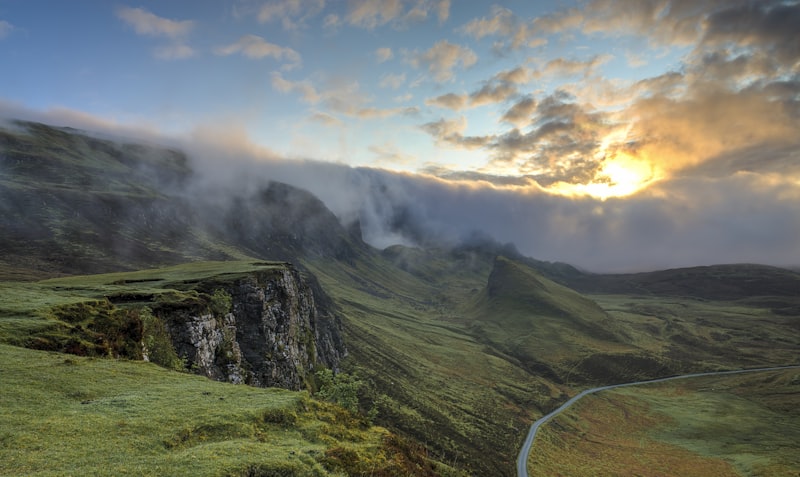
Ancient oak trees in British woodland

The Framework

We don't use the word "treatment." Our approach is based on environmental design—creating conditions where natural restoration processes can occur with minimal interference.

Minimal Structure

The less we impose, the more space exists for individual needs to emerge. Schedules are sparse. Activities are optional. Silence is protected.

Environmental Access

Different ecosystems provide different qualities. Woodland for enclosure. Moorland for perspective. Water for reflection. Guests have access to all of them.

Extended Duration

Meaningful change requires time beyond the typical weekend retreat. Three days is our minimum. Seven days shows measurably different outcomes.

Scientific Grounding

Our methods are informed by research in environmental psychology, chronobiology, and stress physiology. No mysticism. No pseudoscience.

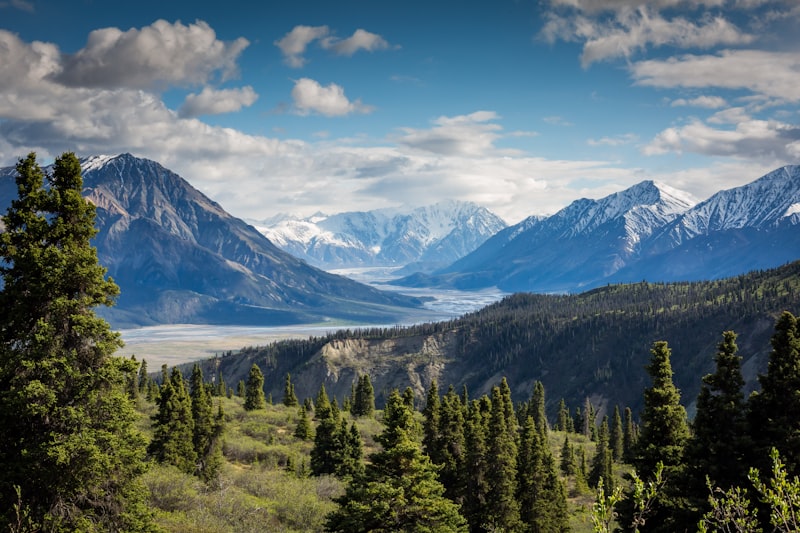
Rolling hills landscape in British countryside

The Land

Our site encompasses 180 acres in the Cotswolds, with protected status that prevents development. The landscape includes ancient beech woodland, wildflower meadows, moorland with long views, and a spring-fed stream.

Accommodations are minimal—restored stone cottages with modern amenities but no televisions, no clocks in bedrooms, no artificial fragrances. Windows face east to support natural light exposure patterns.

The land itself does most of the work. We simply maintain conditions that allow it to.

Guidance

Our small team includes specialists in ecology, environmental psychology, and land management. We're available for consultation but don't enforce interaction. Many guests prefer minimal contact—that's understood and respected.

What matters isn't our expertise. It's whether we've created an environment where your own recovery processes can function without obstruction.